Due to the closure of the North Runway, air traffic may be disrupted at this time.
Please contact your airline for the current status of your flight.
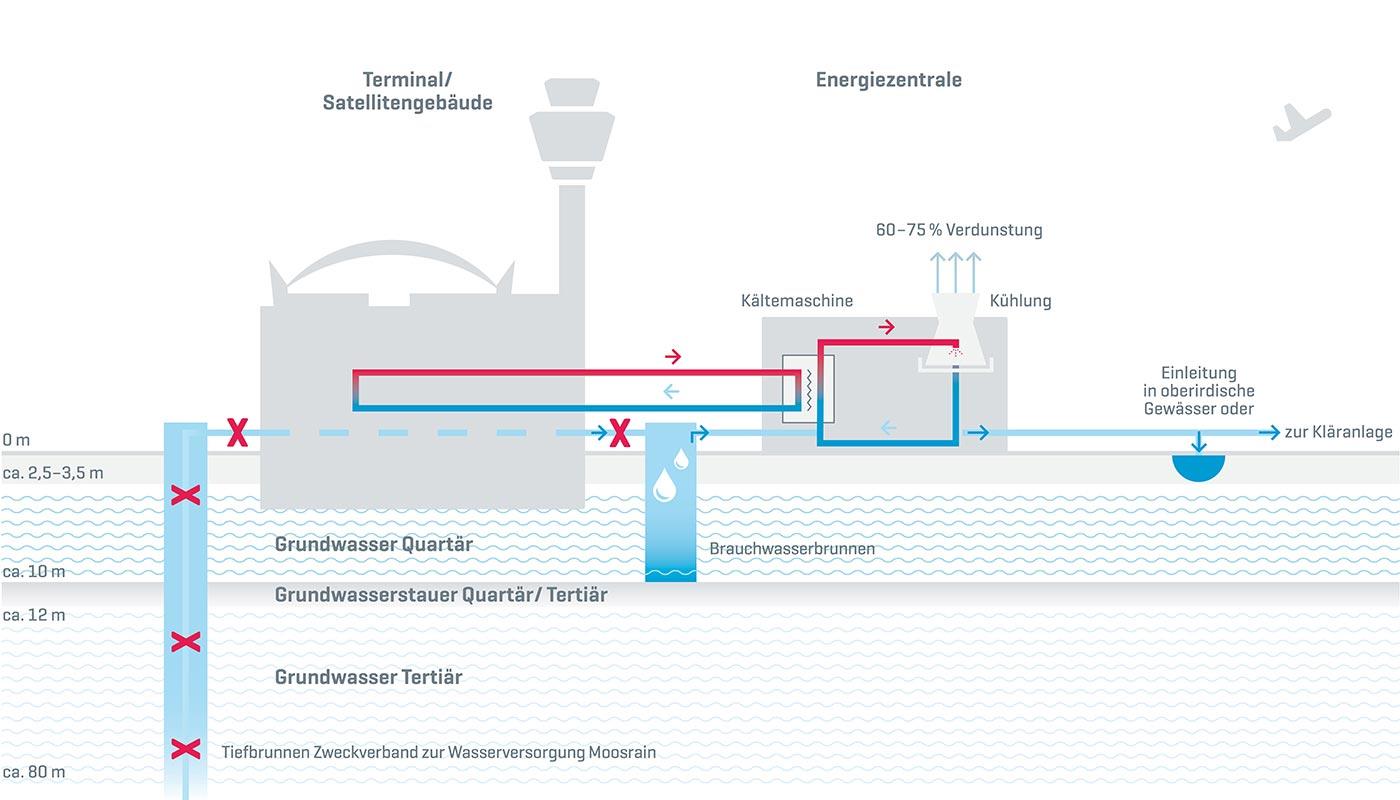
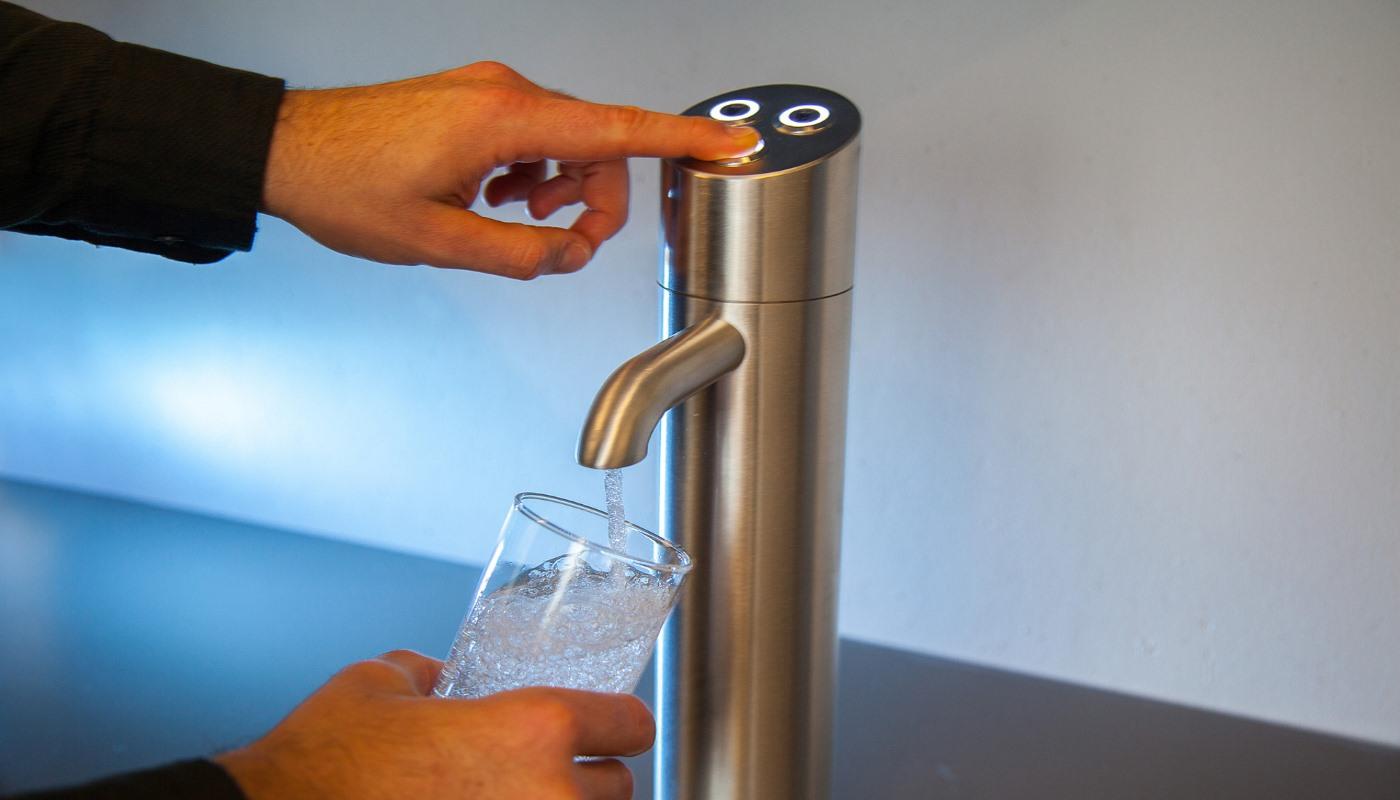
Drinking water is precious and essential to life. To ensure that groundwater can continue to be used as drinking water in the future, this resource must be used sparingly. With regard to drinking water use at the airport, this means using drinking water sparingly and, as far as possible, using drinking water only when drinking water quality is actually necessary.
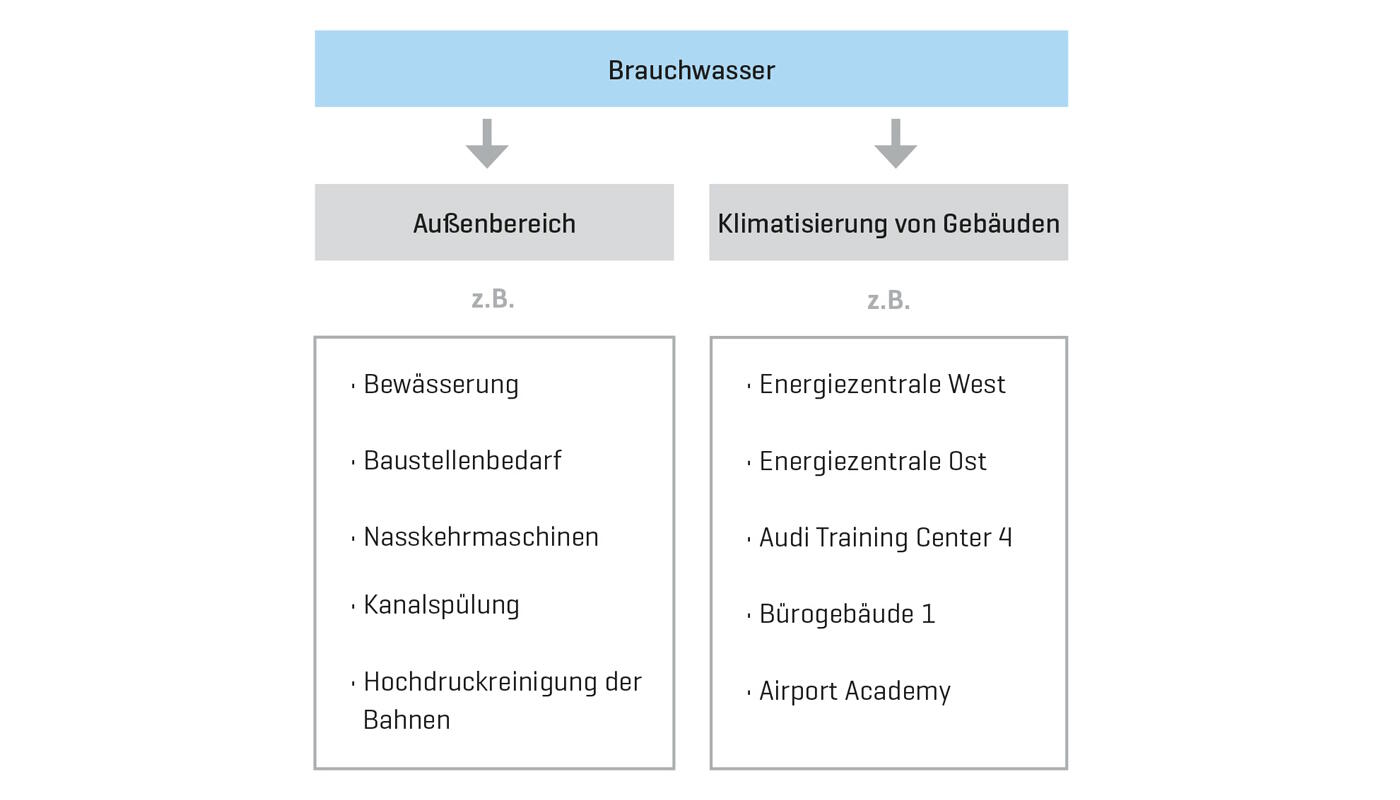
Water-saving valves in the terminal areas help reduce drinking water consumption. In car washes, the washing water that is used is reused multiple times after treatment. The fire service training area mostly uses rainwater for firefighting. This is collected from the paved areas of the training area and stored. Rainwater or groundwater from near the surface is increasingly being used for irrigation of green areas, for air conditioning in buildings, for cleaning roads, sewers, and aircraft maneuvering areas, and for humidification on construction sites.
Protecting the groundwater from contamination, particularly with water-polluting substances, is also a key task at Munich Airport. Fuel depot
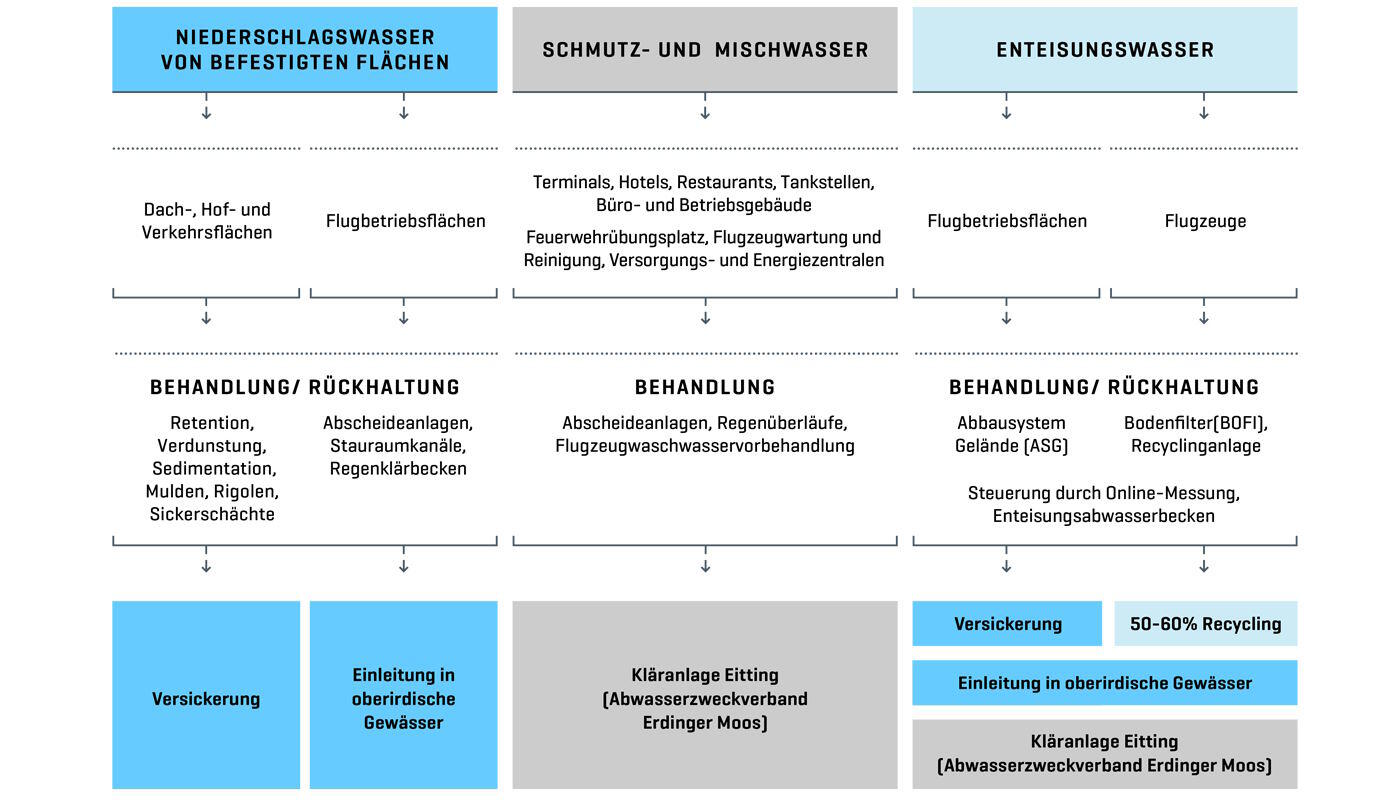
Multiple sewer systems with a total length of 300 kilometers collect the different types of wastewater, which are drained in differentiated ways:
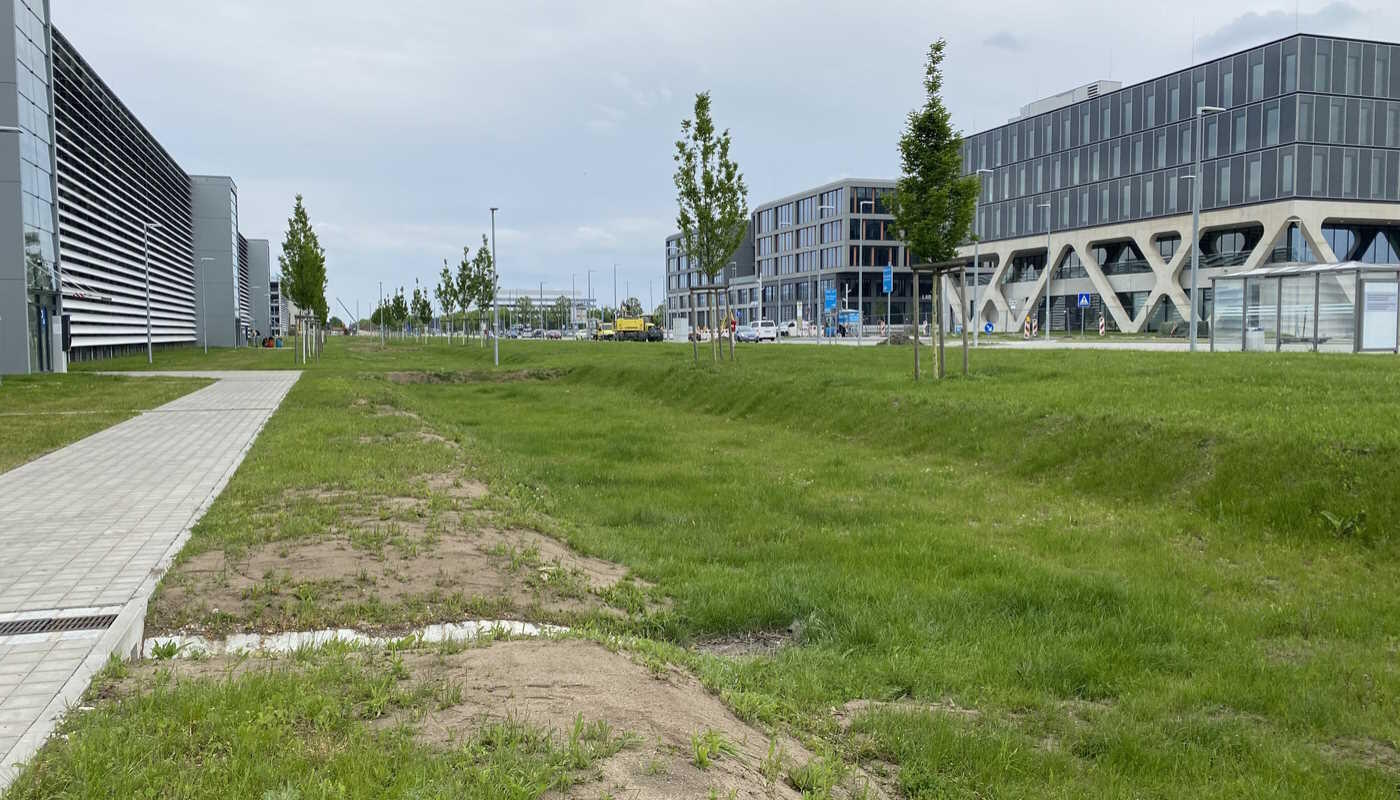
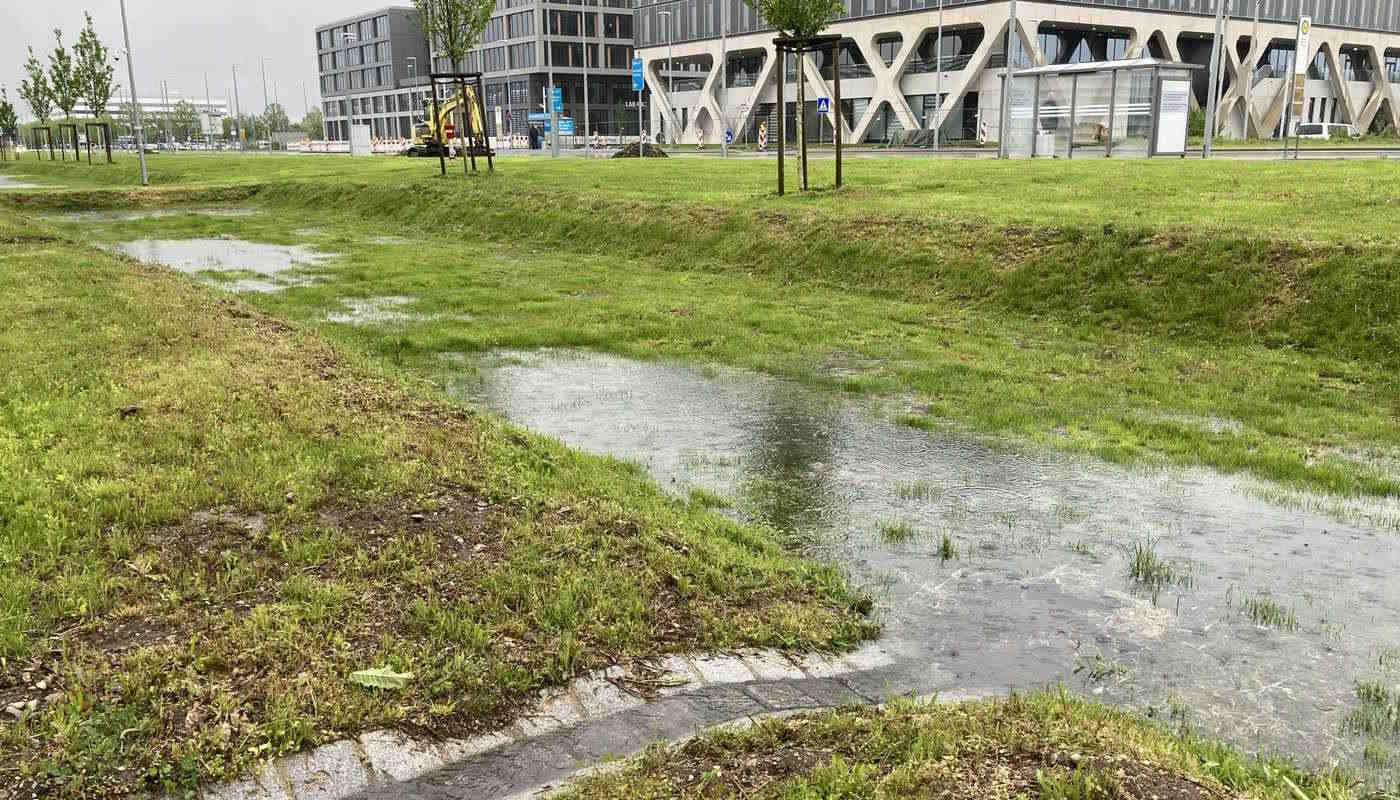
Sustainable use of rainwater is a key element of our environmental protection strategy. Rainwater with low contamination levels (e.g. from rooftop, yard, and traffic areas) is managed on a decentralized basis as far as possible with measures such as (rooftop) greenery, surface detention, and seepage in order to increase the resilience of the natural water balance and reduce the burden on the sewer system. Contaminated rainwater (e.g. from aircraft maneuvering areas) is cleaned using various mechanical and biological cleaning systems (e.g. rain purification basins, separation equipment, soil filters) in order to protect the soil and water. The telecontrol system installed at Munich Airport detects water-polluting substances such as oil and kerosene in the drainage network and can close the necessary actuators immediately in an emergency to prevent the substances from getting into bodies of water.
Wastewater and mixed water, particularly from the terminals, handling buildings, offices, maintenance halls, and supply centers, is diverted to the Eitting treatment plant. This modern and efficient major treatment plant treats the wastewater and then channels it to the Central Isar Canal. It is operated by the Erdinger Moos wastewater association, which currently comprises twelve municipalities and Munich Airport. As a member of this association, Flughafen München GmbH also shares in the wastewater purification costs and investment costs for the maintenance of orderly wastewater purification operations.
In the interests of smooth flight operations in the winter, the aircraft maneuvering areas must be freed of snow and ice as far as possible so as to ensure safe take-off, landing, and taxiing of the aircraft. If the weather conditions necessitate it, biodegradable chemical de-icers are also used in addition to snow plows and sweepers. Wastewater from de-icing is collected in winter operations, temporarily stored in the de-icing wastewater basin, and channeled from there to the Eitting treatment plant in regulated quantities. “Total organic carbon” (TOC) switches continuously measure the contamination of the wastewater flow and add clean or only slightly contaminated wastewater to the surface water via the rain purification basins so as not to put unnecessary strain on the Eitting treatment plant and to increase the resilience of the natural water balance.
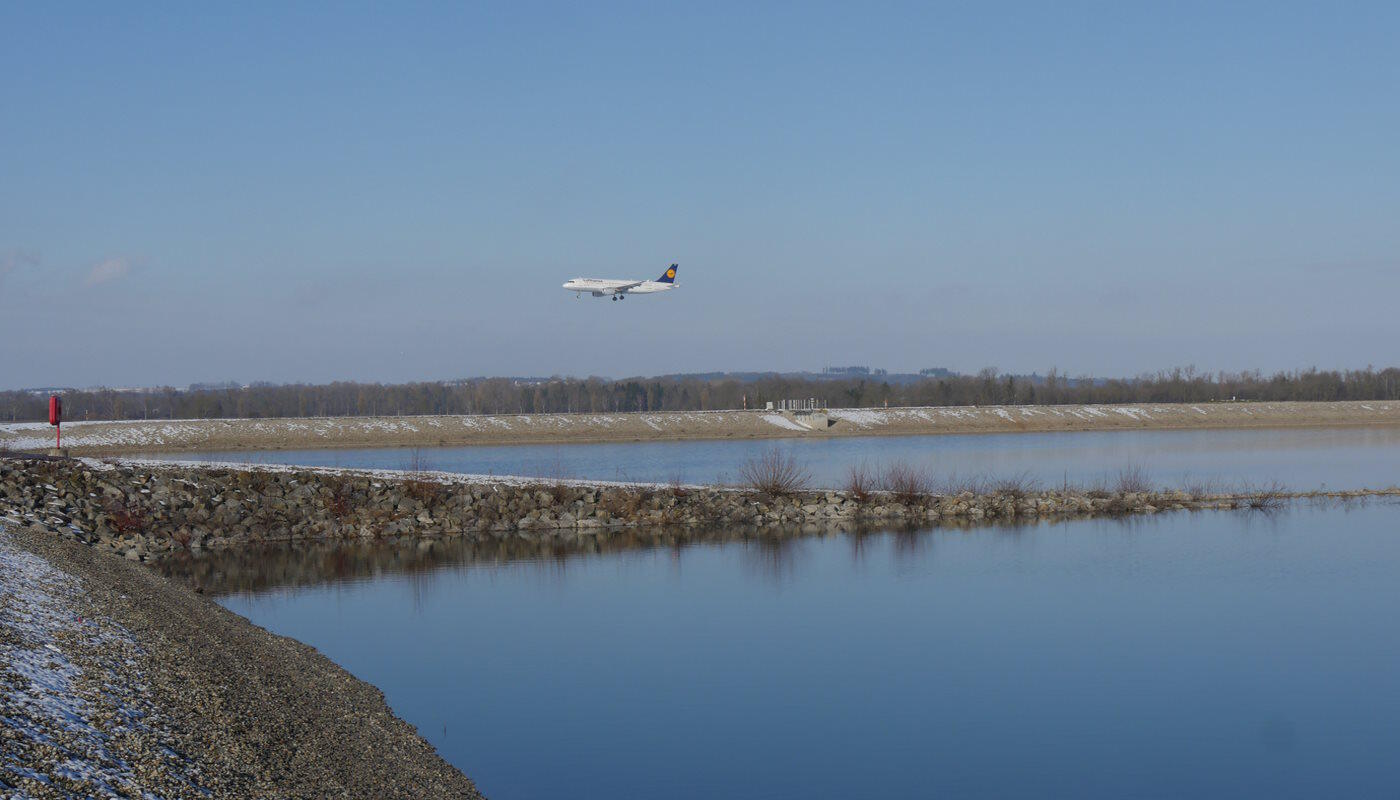
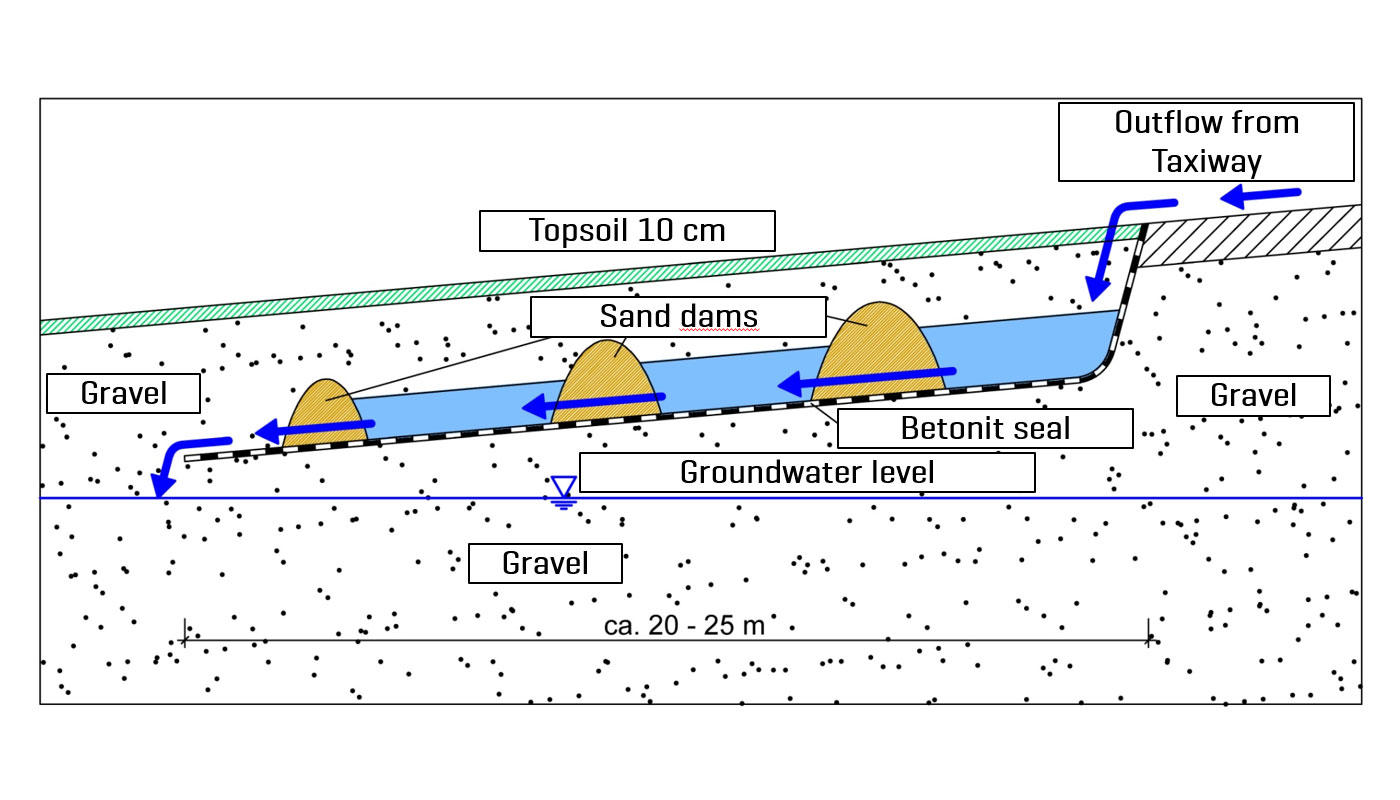
There is generally much less use of chemical de-icers on the taxiways than on the runways, meaning that it is not necessary to treat the de-icing wastewater here at the treatment plant. To protect the groundwater from substances that could get into it, a soil filter system called the “terrain breakdown system” is positioned along the taxiways. This slows down seepage and cleans the seeping rainwater before it gets into the groundwater.
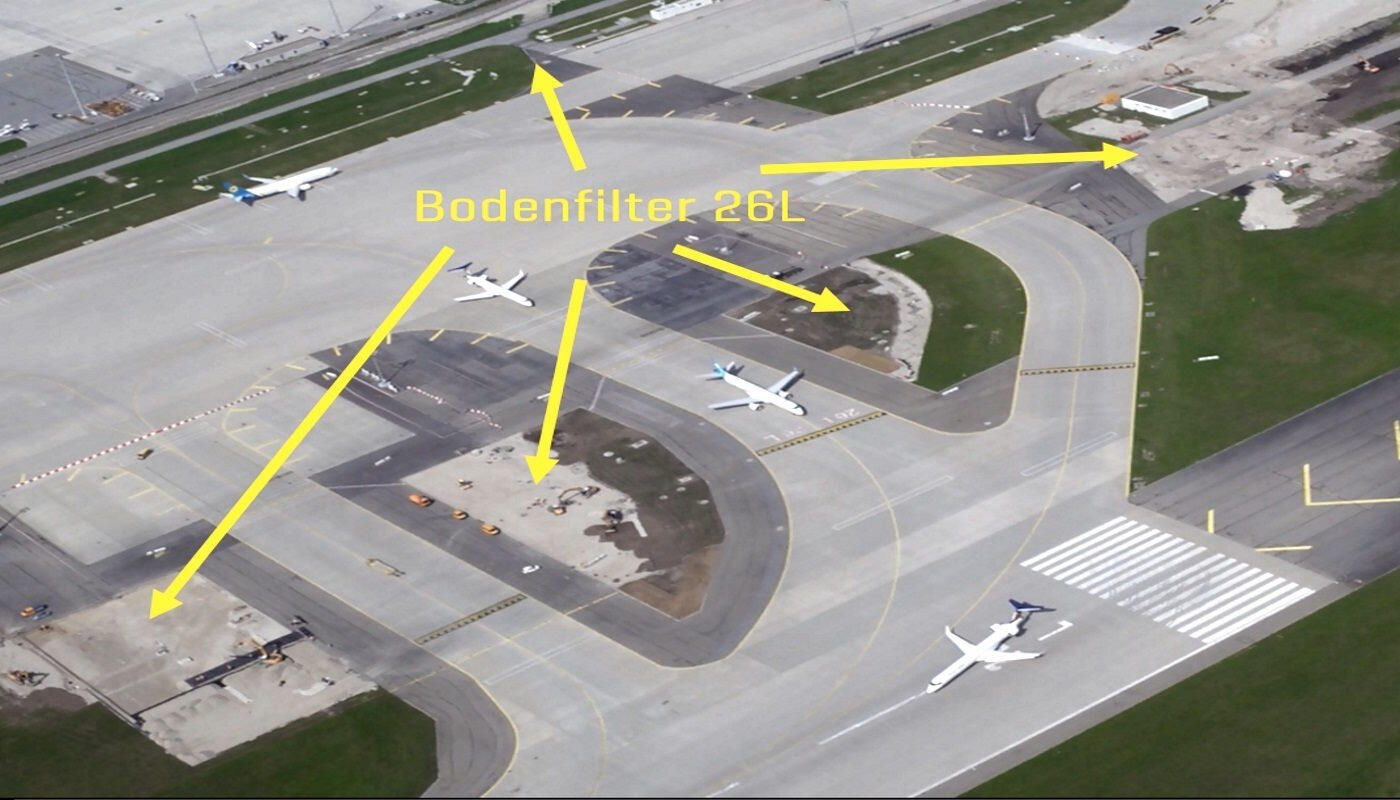
When de-icing aircraft, the wind may carry part of the de-icers used into the green areas next to the paved de-icing areas at the heads of the runways. To prevent de-icers from getting into the groundwater, soil filter systems have been installed around the four runway heads. These consist of underground storage spaces filled with gravel and sealed off from the subsoil.
They clean the rainwater, which may be contaminated with aircraft de-icers carried over by the wind, and also act as a surface detention mechanism.
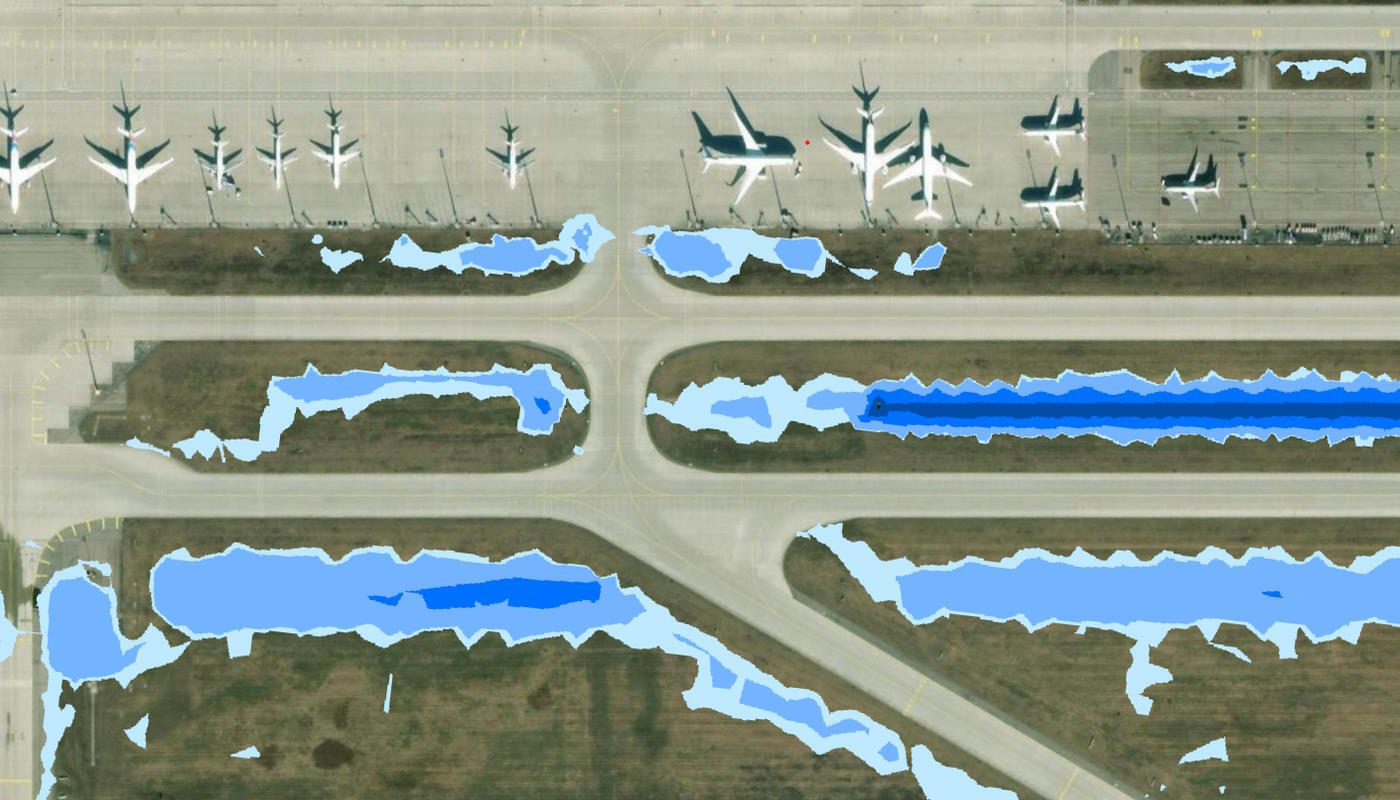
Climate change means that extreme weather events are occurring increasingly frequently. In particular, torrential rainfall poses a major challenge to the infrastructure, the drainage system, and the operation of the airport. A flood model has therefore been developed by the airport’s environmental department to assess the effects of heavy rainfall on the airport and develop remedial measures. The procedure is based on the “flash flood risk management” of the Bavarian State Ministry of Environmental and Consumer Protection.