Due to the closure of the North Runway, air traffic may be disrupted at this time.
Please contact your airline for the current status of your flight.
We use three different methods to evaluate air quality. Along with instrument-based pollutant measurements in accordance with the 39th German Pollution Impact Ordinance (BIMschV), we investigate plants (biomonitoring) and a foodstuff produced by insects in the environment (honey monitoring).
This three-fold investigation, extending far beyond common practices, is intended to cover the broadest possible range of substances and possible influences.
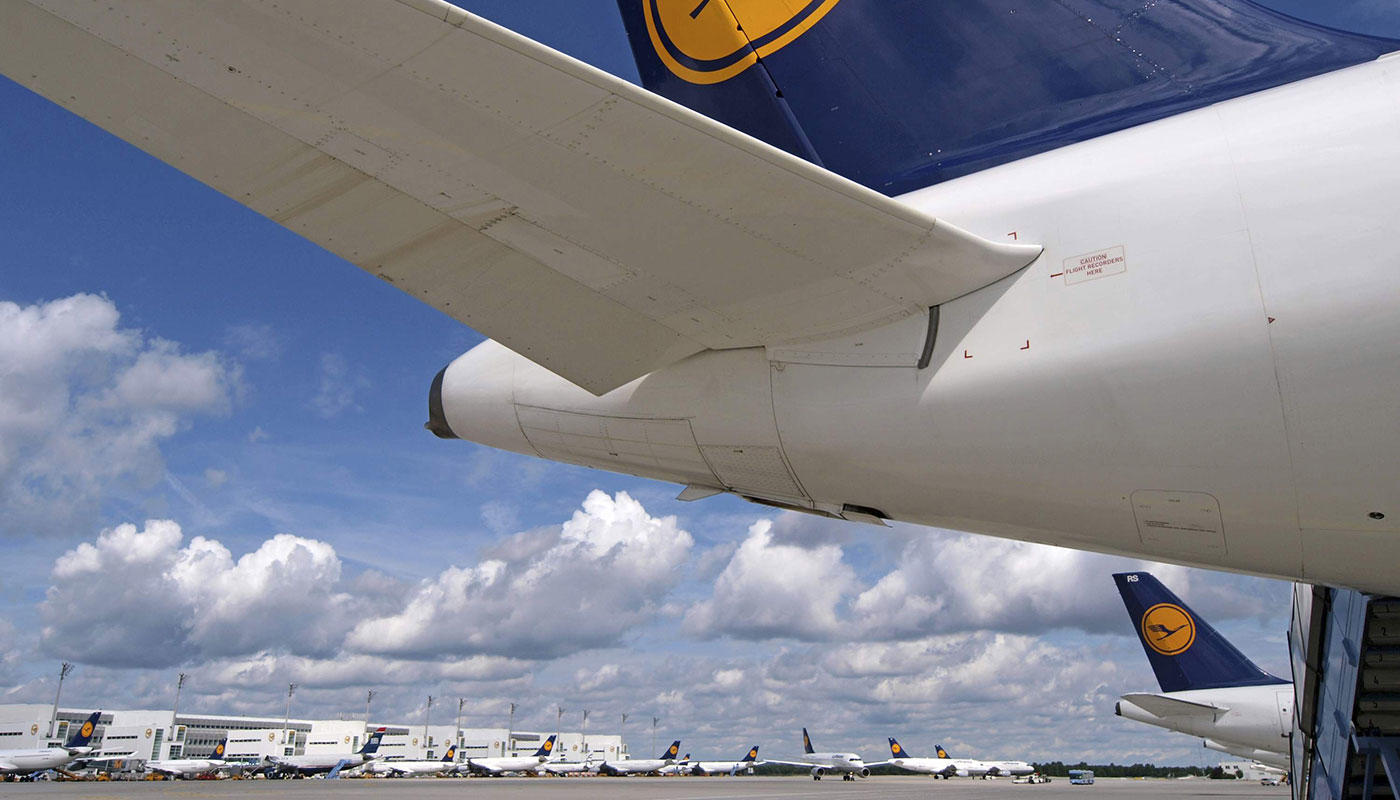
Air travel connects people and places in the shortest possible time and has become an indispensable part of modern mobility. However, airport operations also result in the emission of air pollutants. To transparently assess these impacts, FMG regularly conducts air quality studies in accordance with the 39th Federal Immission Control Ordinance. All legally mandated limit and target values for the protection of human health are met and even significantly undershot. In the following video, our experts explain how these measurements are conducted in detail and what makes the airport’s new air quality monitoring station so unique.
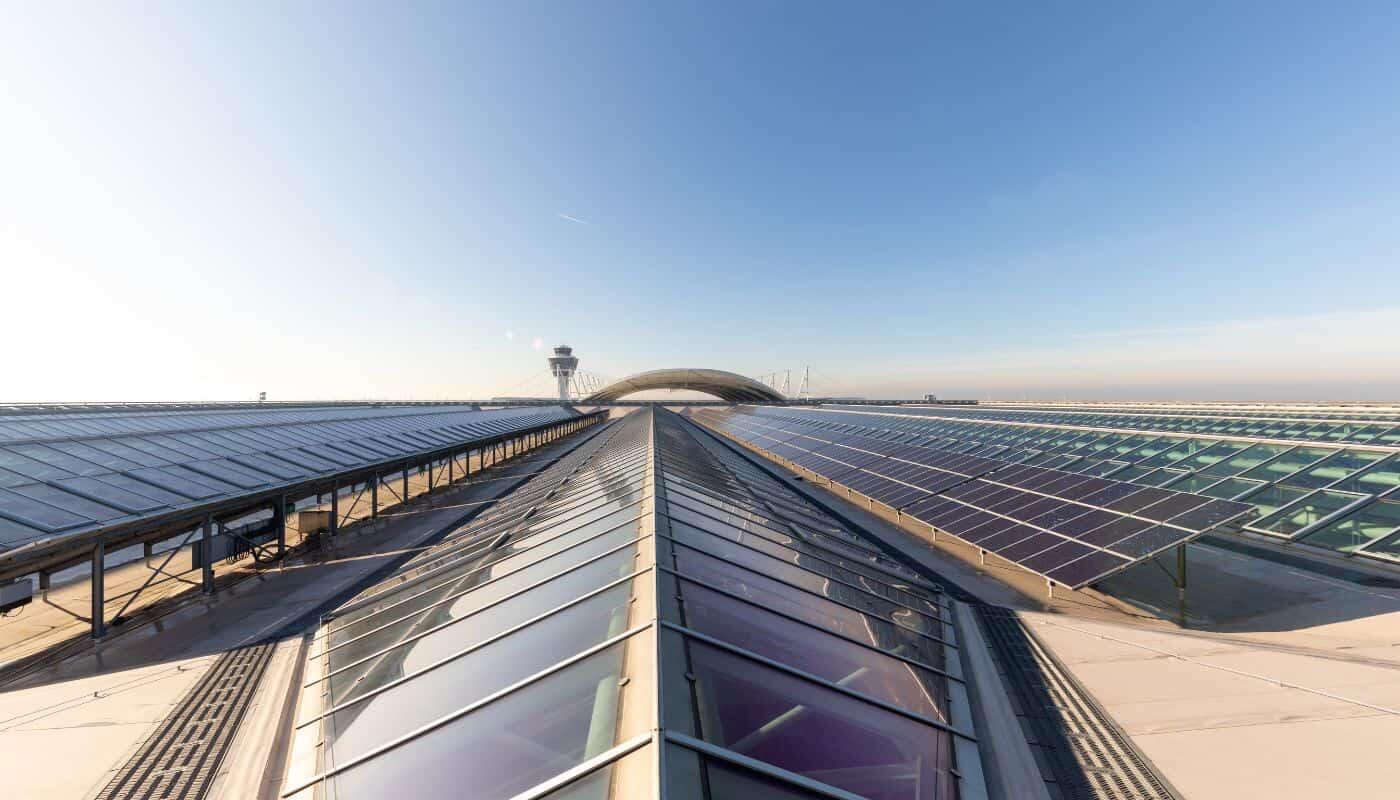
Assessment of air quality with technical instruments pursuant to Section 39 of the German Pollution Impact Ordinance (BImSchV) at stationary and mobile measurement sites in and around the airport.
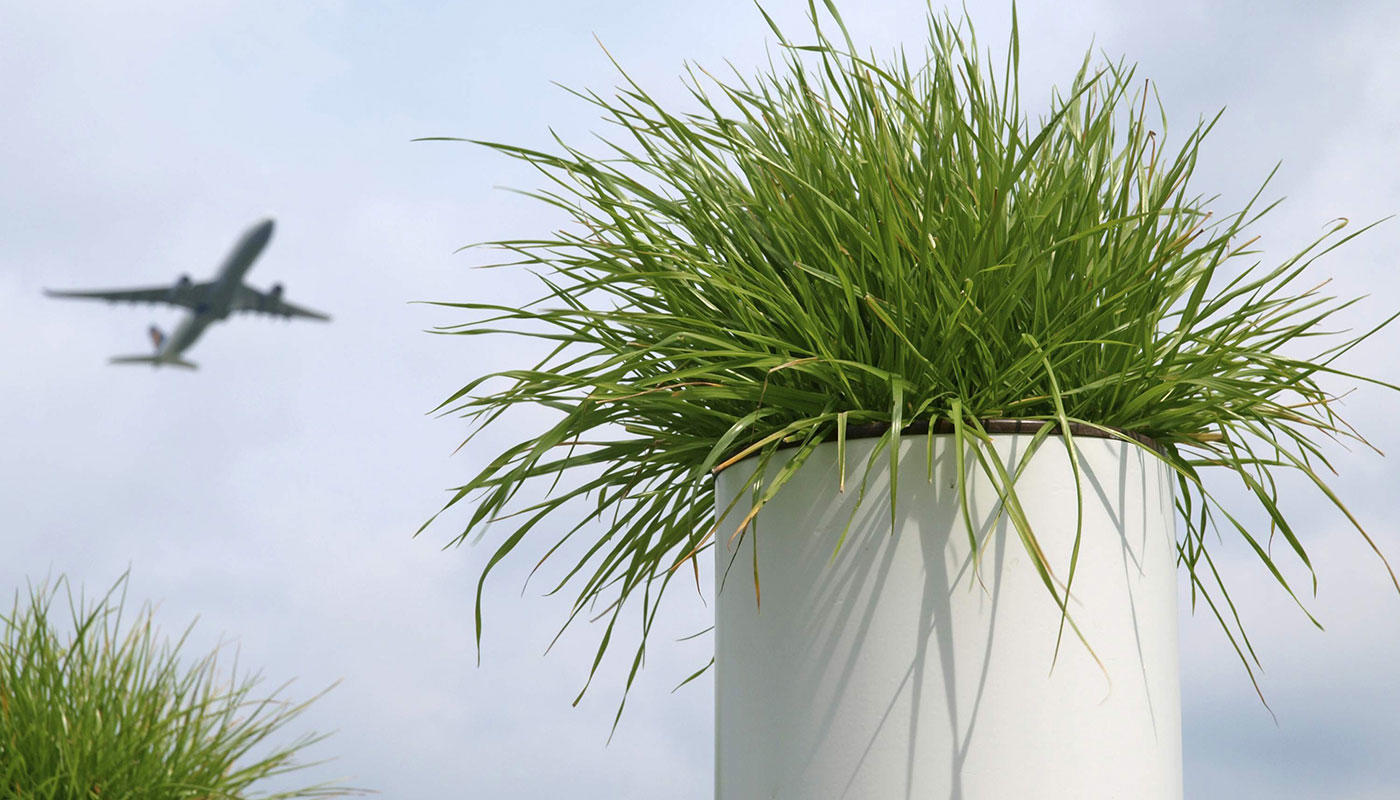
Investigation of airborne pollutants for possible effects on the use of land for agricultural and gardening purposes in the area around Munich Airport.
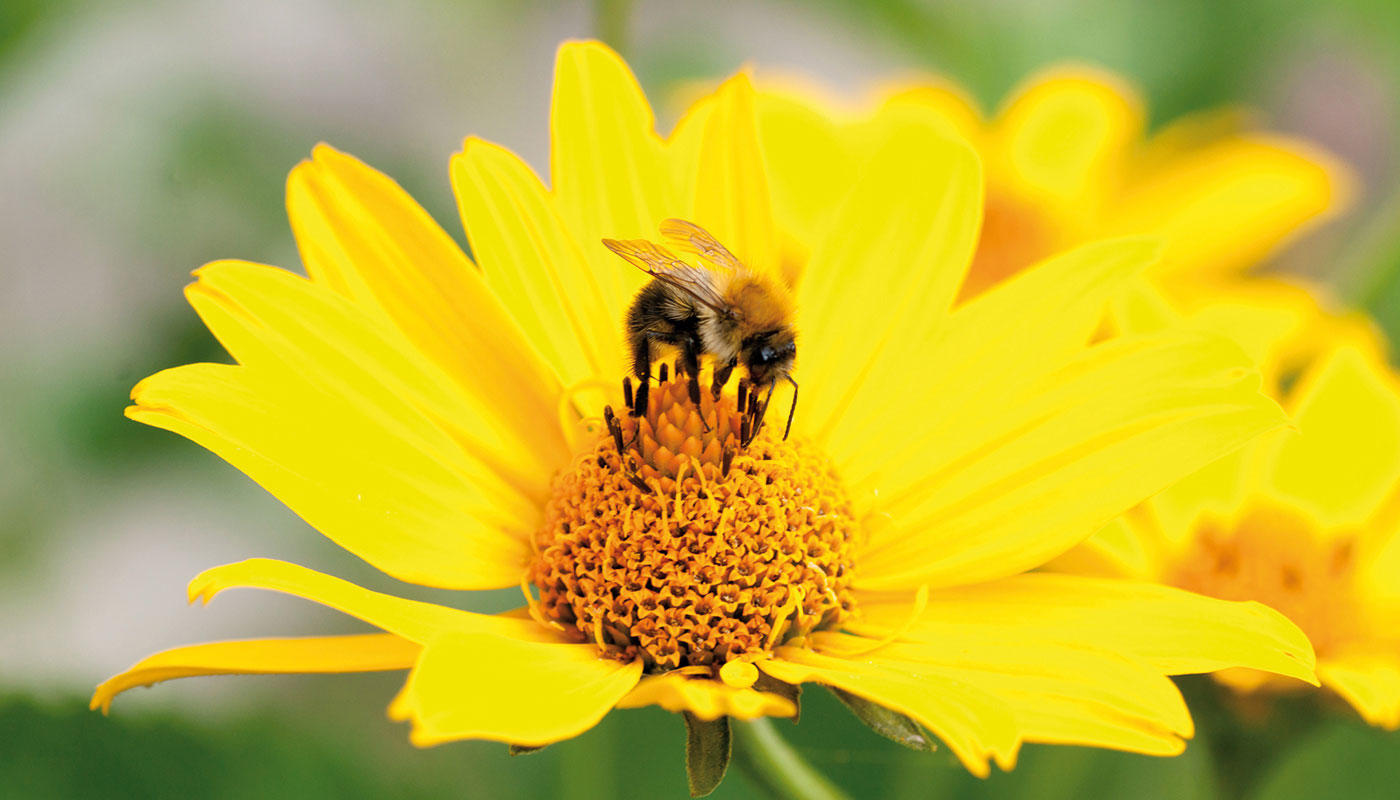
Complementing the technical measurements and biomonitoring through the investigation of residual traces in foodstuffs produced directly in the environment.