New ibis Styles: Interview on the Hotel's Development

New Budget Hotel at the Airport

June 15, 2026

Behind the scenes

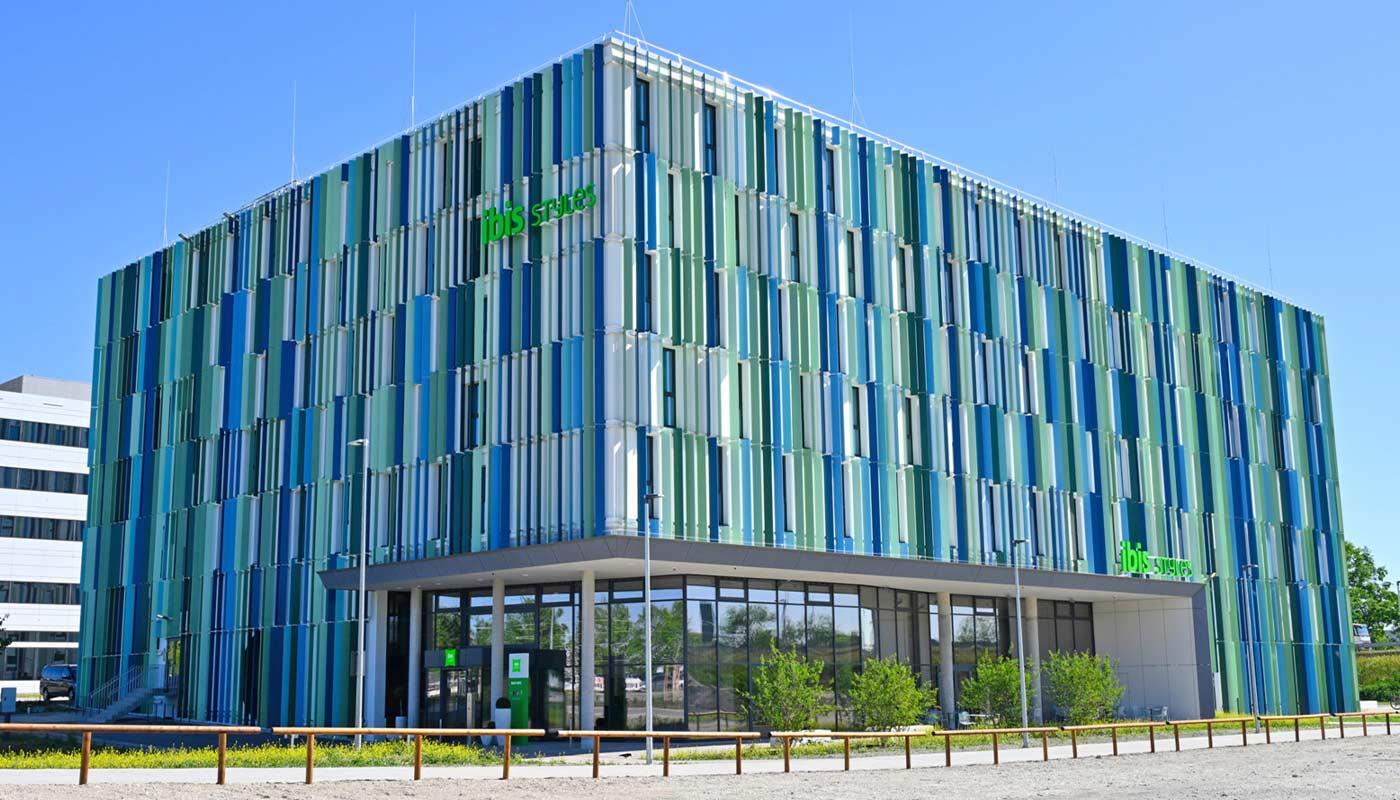
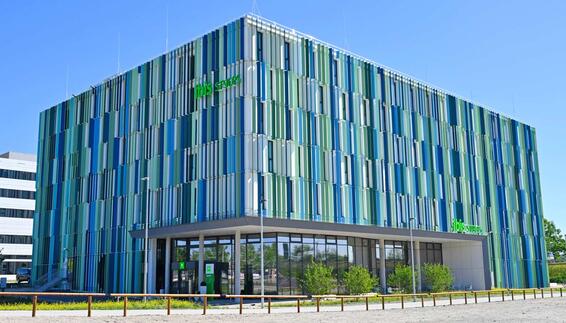
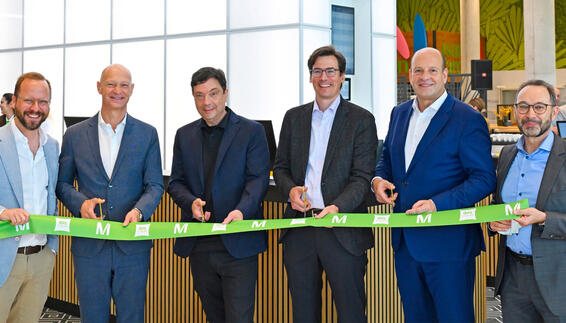
A new property, years of planning, and numerous challenges: On June 9, another hotel opened at the airport — the ibis Styles Munich Airport. The design-oriented concept brings a fresh perspective to the existing offerings and deliberately focuses on a modern, creative atmosphere. 

Project Manager Dietmar Kaiser and General Manager Alexander Rudnik explain how the project came about, what hurdles had to be overcome, and what makes the new hotel special in this interview.

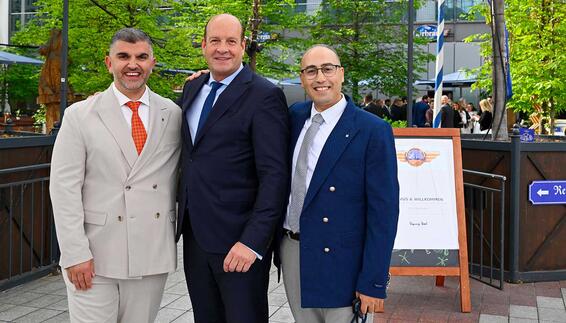
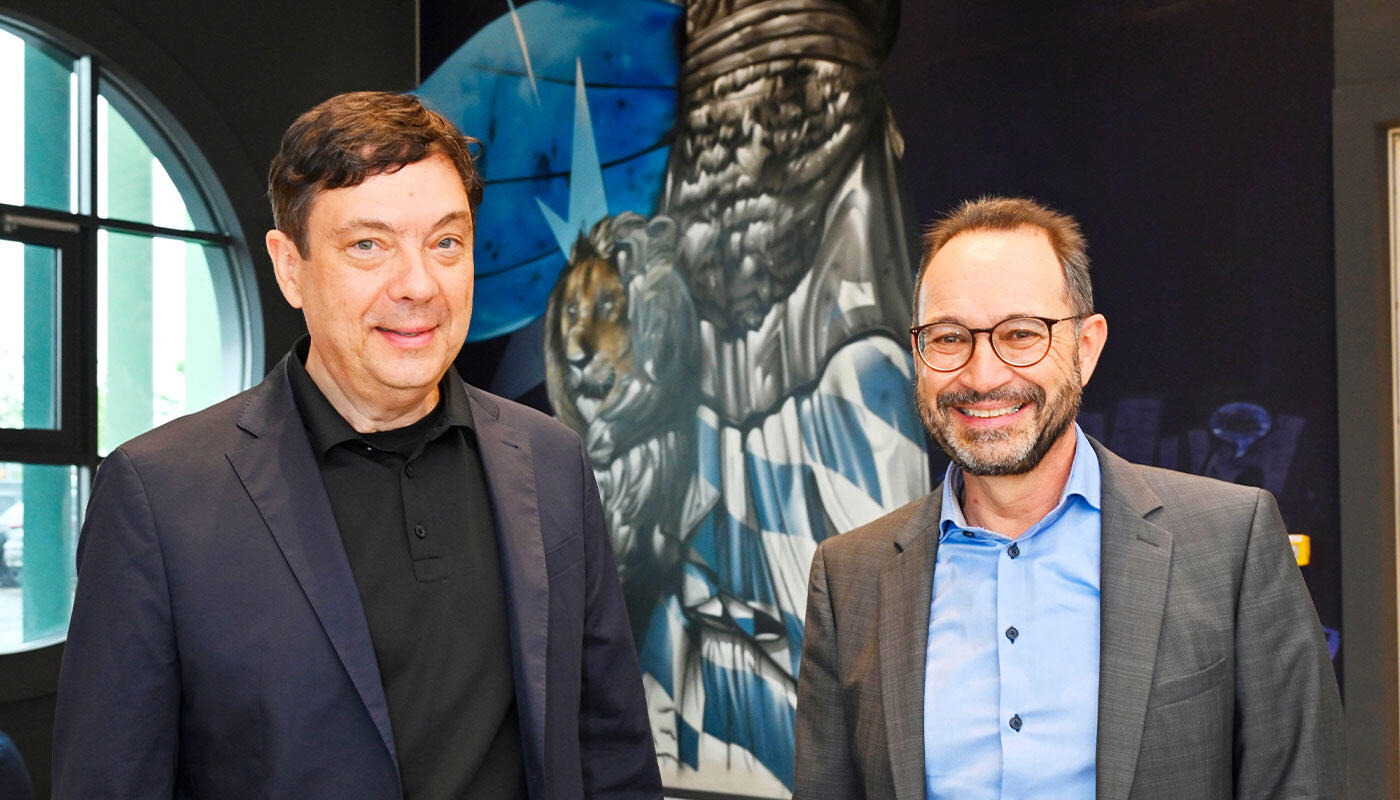
Alexander Rudnik, General Manager of ibis Styles Munich Airport, and Dietmar Kaiser, Project Manager for Real Estate Development at REE (from left), at the opening ceremony for the ibis Styles hotel. 

Mr. Kaiser, what were your responsibilities during the development of the new hotel?

Dietmar Kaiser: "As the project manager for real estate development in the REEE division, I served as the project trustee. In other words, I oversaw the project from the initial concept through to its handover to the operator, Accor. Together with REAH, Stefanie Pietschmann and Tillmann Bayer (planning and implementation), I managed the development, coordinated internal processes, defined the requirements for future use, and ensured a smooth transition to operations."

A hotel isn't built overnight — how do you even get a project like this off the ground?

Kaiser: "A construction project like this develops step by step: It starts with the search for a location as well as market and demand analyses, then feasibility and economic viability are assessed, and the necessary building code requirements are met. At the same time, the appropriate operator concept is selected. The initial conceptual considerations began as early as 2015, and the search for an operator started in 2016. The fact that we were able to bring Accor on board as a suitable partner early on was a major advantage — this allowed the requirements of the future hotel operations to be directly incorporated into the planning. Looking back, it was a long but ultimately very successful process — despite a few unforeseeable hurdles."

What were the biggest challenges?

Kaiser: "Integrating a new building into an operational airport is challenging enough on its own. In our case, several unforeseen factors came into play that we couldn't have anticipated: the COVID-19 pandemic, which brought the project to a halt for about two years, followed by a sharp rise in construction costs and changing market conditions. We had to retender services and adjust plans. Additionally, the general planner's termination in the fall of 2024 led to further delays. However, close coordination and successful teamwork with our colleagues at FMG, Allresto, and Accor were crucial to the successful implementation of this project."

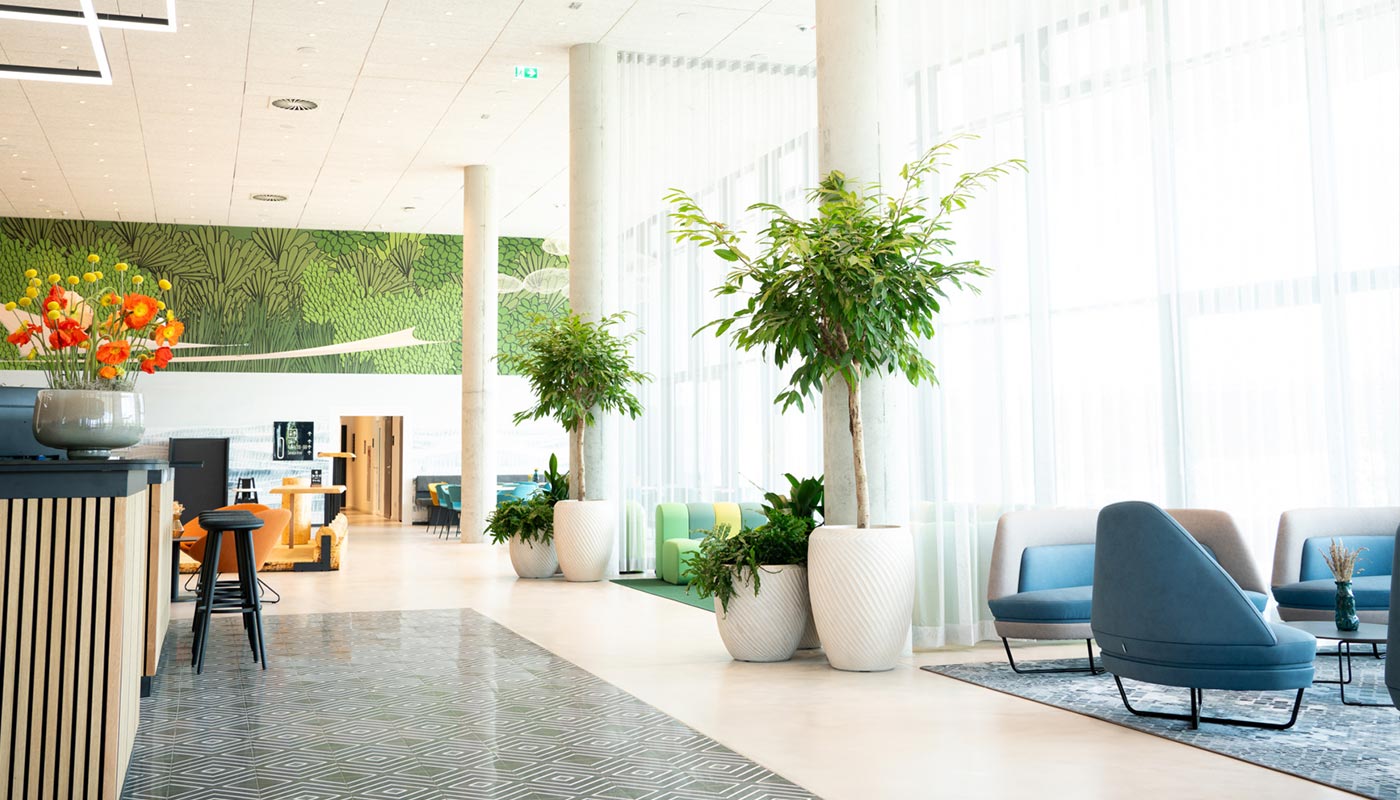
The new ibis Styles is a modern, design-focused hotel located at Munich Airport. 

How important is the choice of hotel brand?

Kaiser: "Extremely important. A strong brand brings international distribution networks, high brand recognition, and a well-functioning loyalty program. Our analyses showed that a hotel in the more affordable budget segment was both sensible and necessary — also to avoid competition with existing properties like Hilton or Novotel. At the same time, it was important to us at Munich Airport to retain creative freedom. We wanted to create a modern, design-oriented experience that is unique to our location."

Who will take on which role at the new ibis Styles Munich Airport hotel?

Kaiser: "The FMG Real Estate (RE) division owns the hotel and handles the lessor's responsibilities. The FMG Technical (TE) division provides technical support as a service provider. The FMG subsidiary Allresto acts as the lessee, bears financial responsibility, and operates the hotel. It also manages the hotel's financial development and has — as planned — entered into the management agreement with Accor. Accor takes over the day-to-day management of the hotel, introduces the brand, and ensures that standards are implemented in daily operations. We work very closely together on this and hold regular meetings to coordinate our efforts."

Mr. Rudnik, what are your responsibilities as General Manager of the new ibis Styles, and what are you most looking forward to?

Alexander Rudnik: "As General Manager, I oversee all hotel operations, lead the team, and ensure that everything runs smoothly on a day-to-day basis. At the same time, I make sure we maintain our quality standards and that the hotel is financially stable. What appeals to me most about the ibis Styles Munich Airport is the unique dynamic of the airport location: international guests, short stays, and a wide variety of needs. At the same time, it's exciting to help shape a new hotel from the very beginning and develop it together with the team. That's the part I'm most looking forward to."

What makes the ibis Styles Munich Airport special?

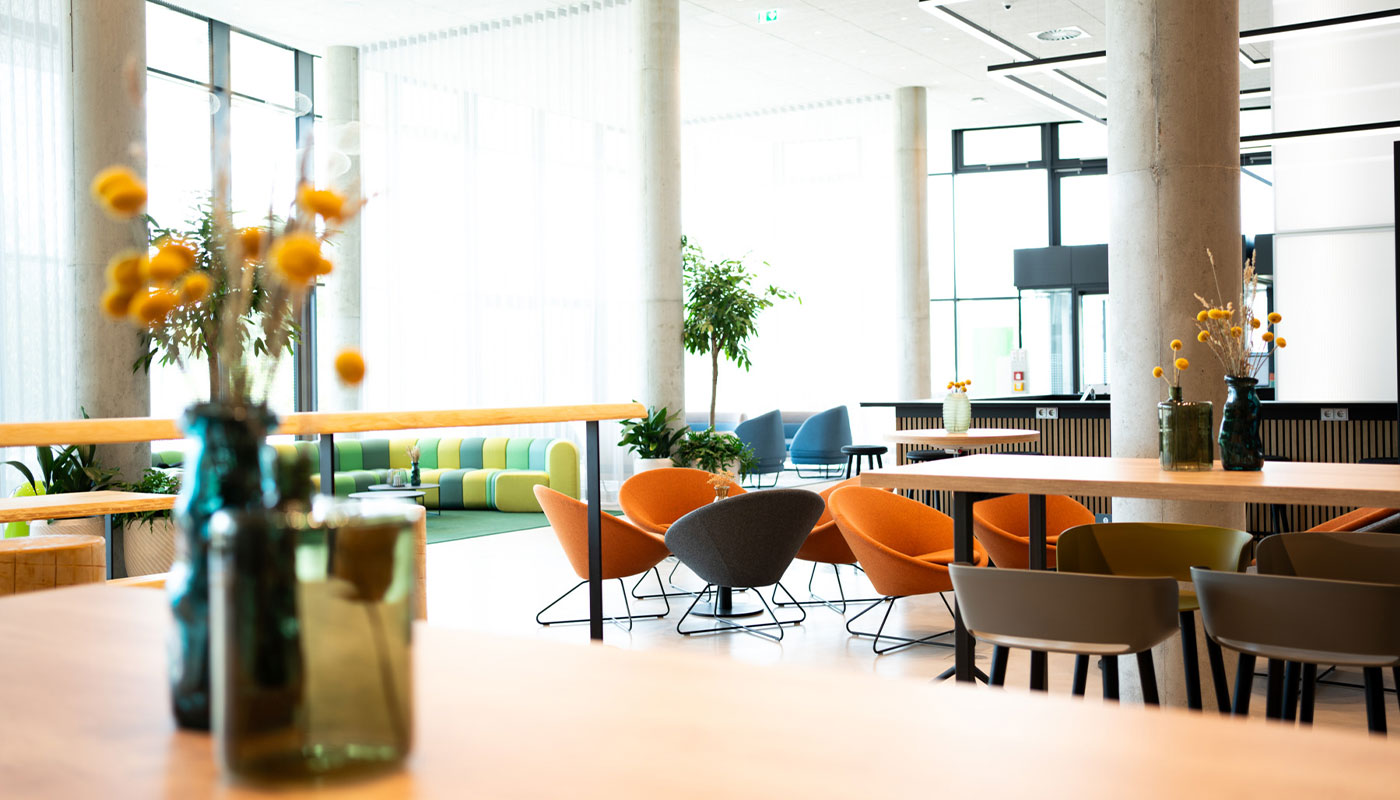
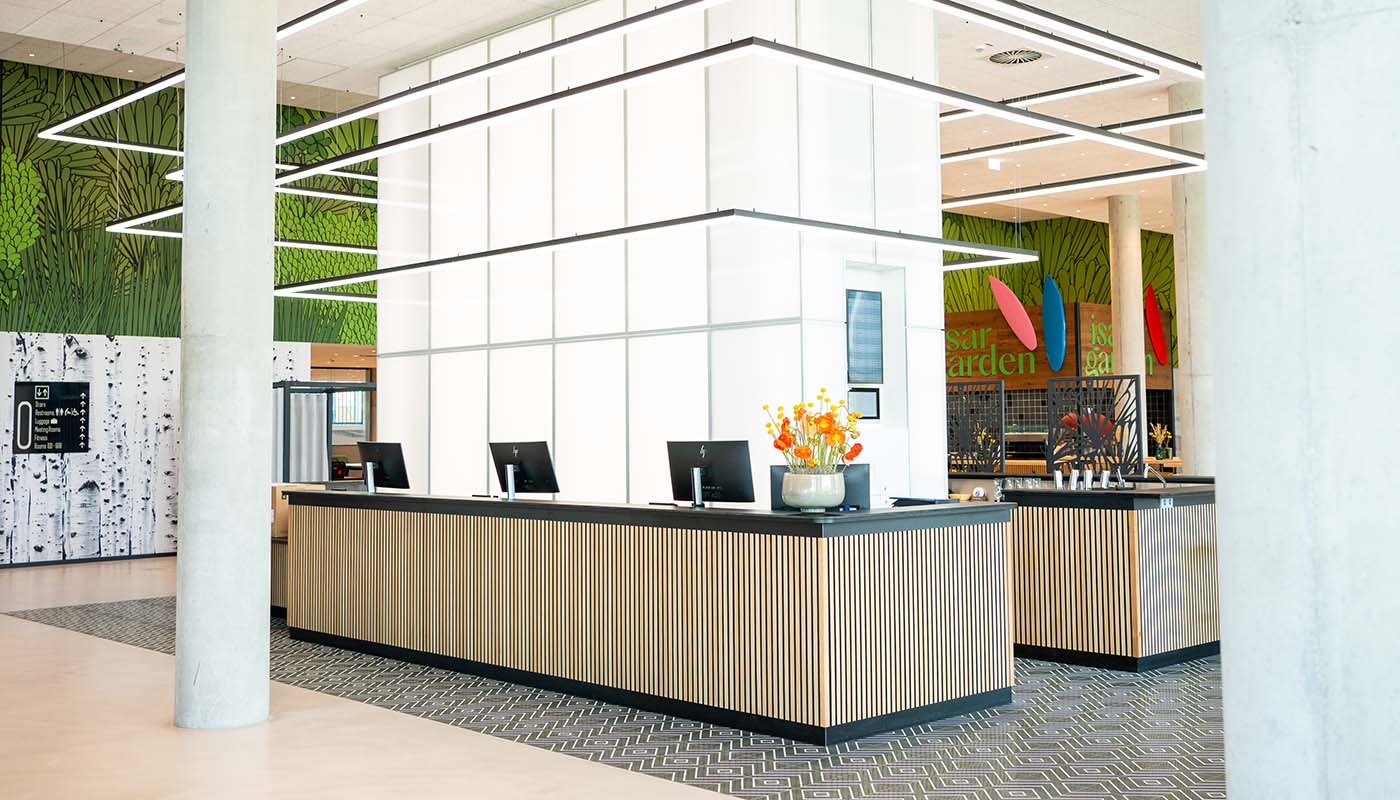
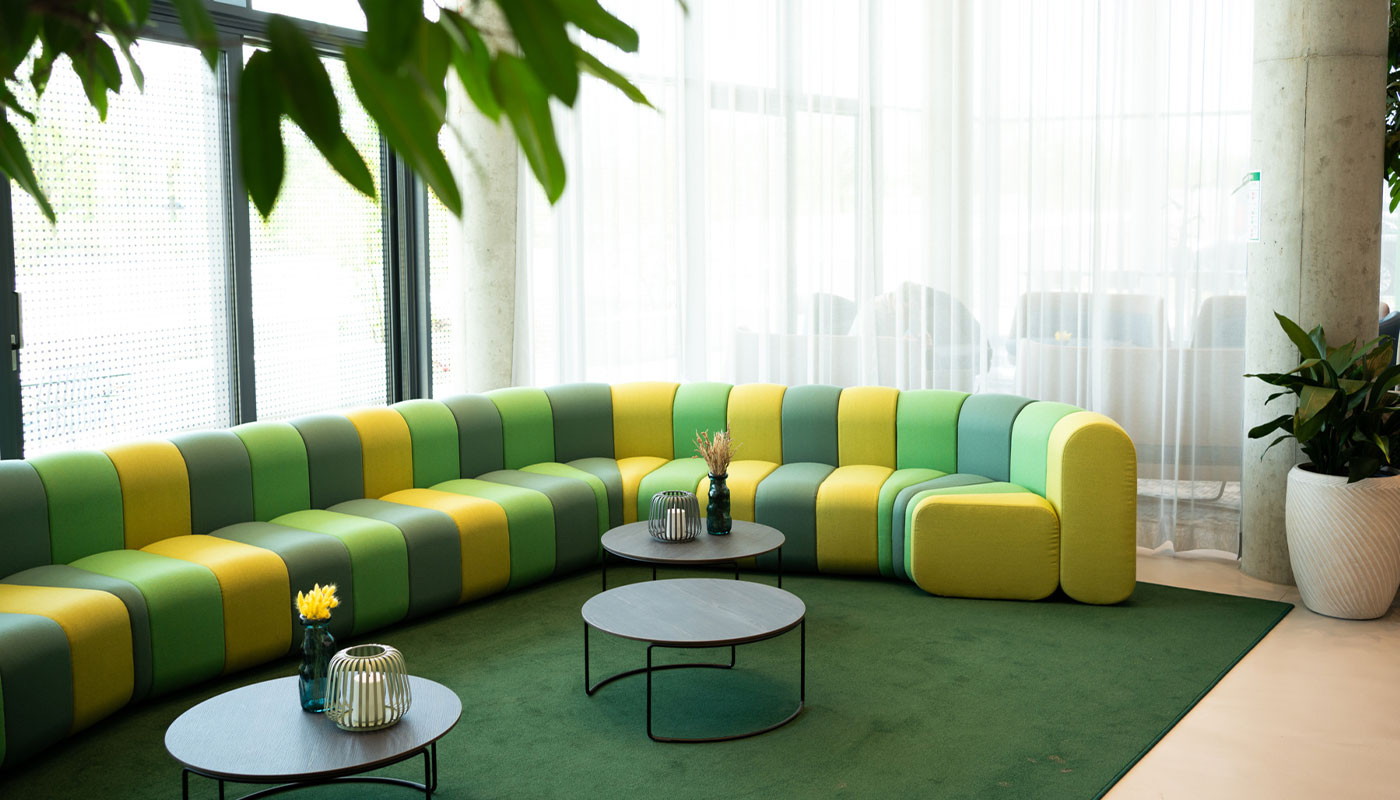
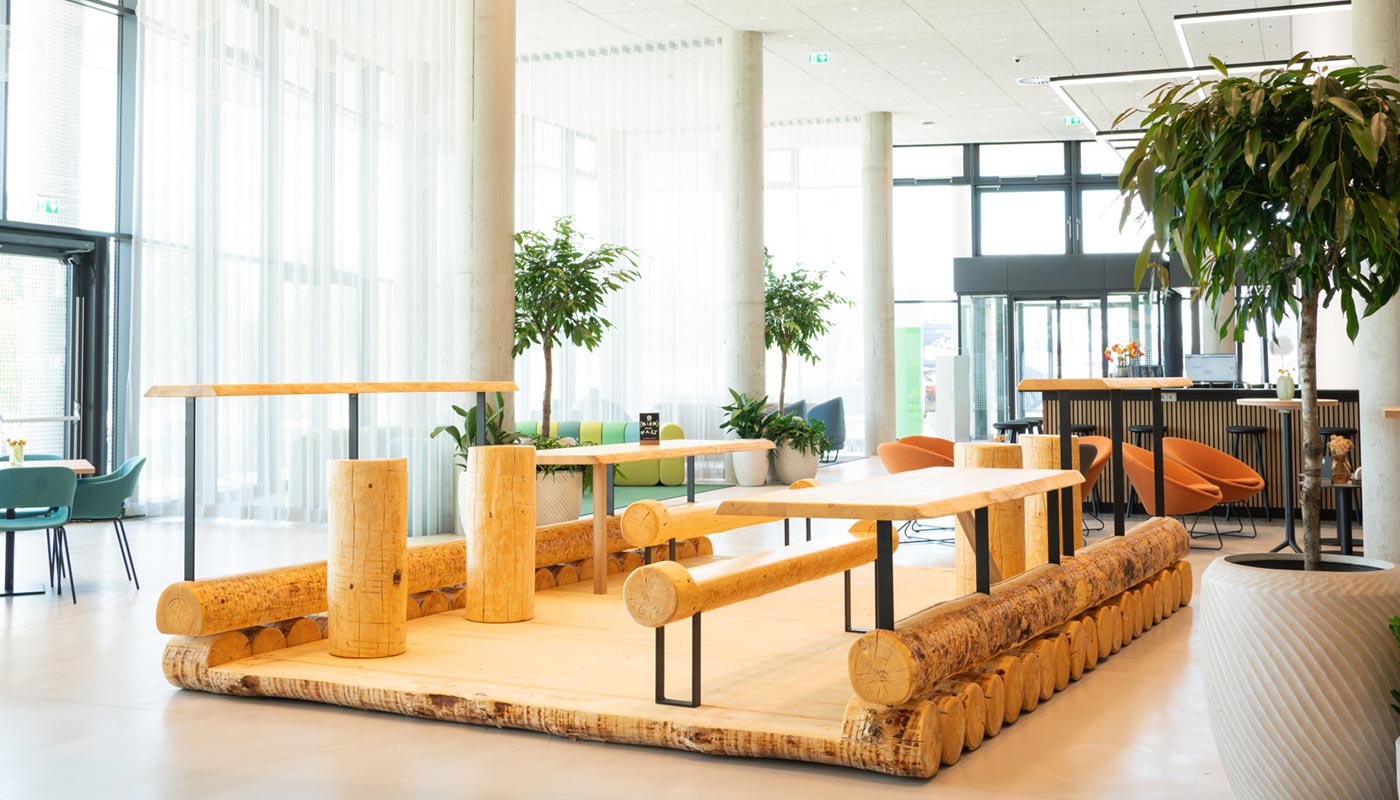
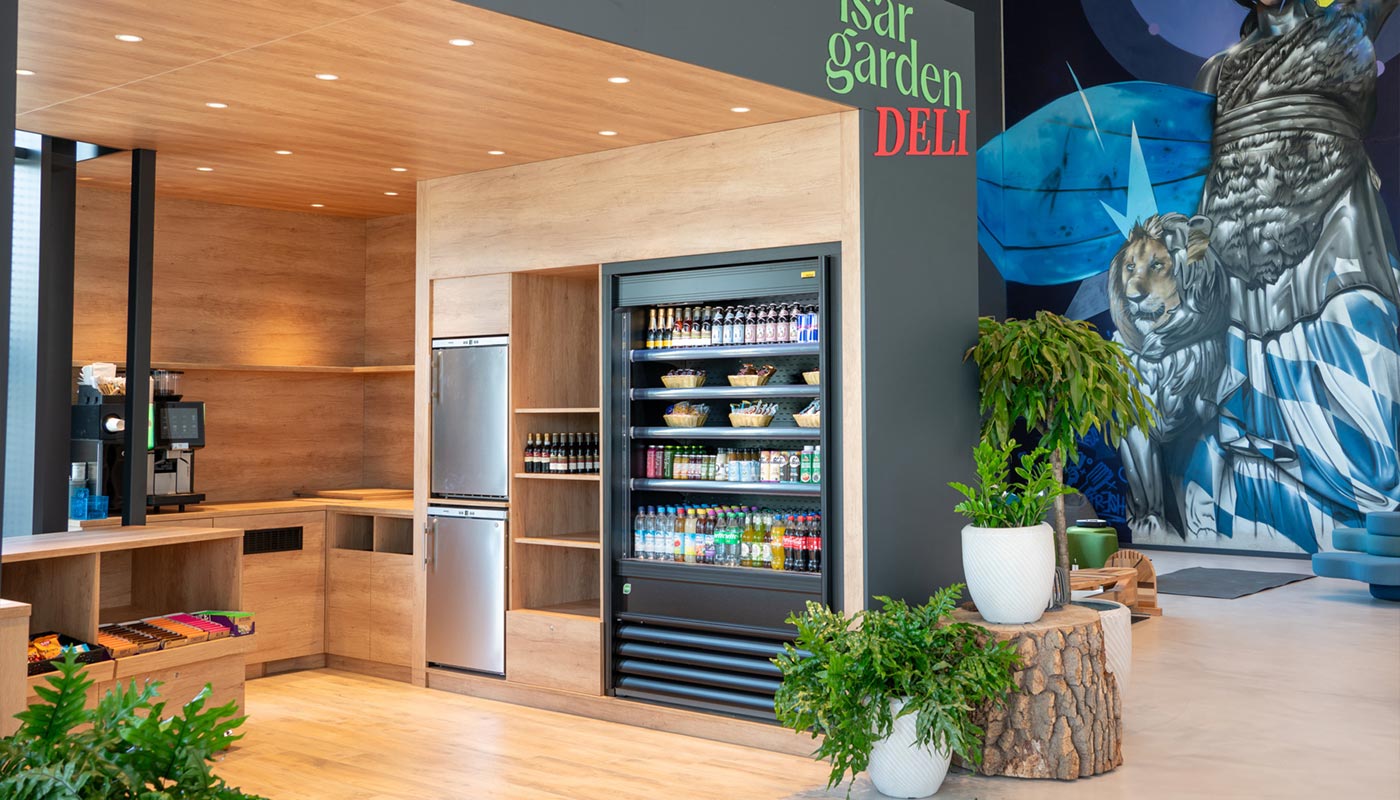
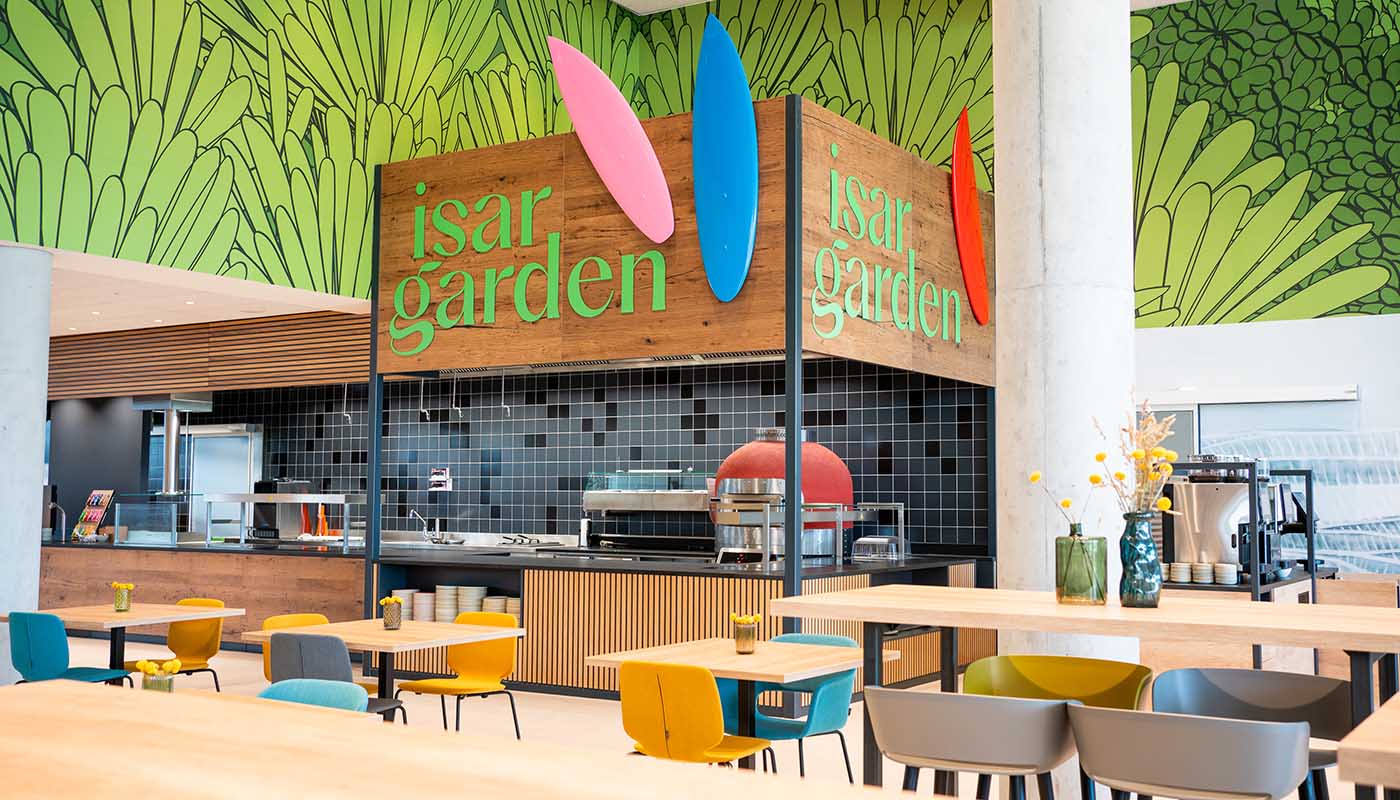
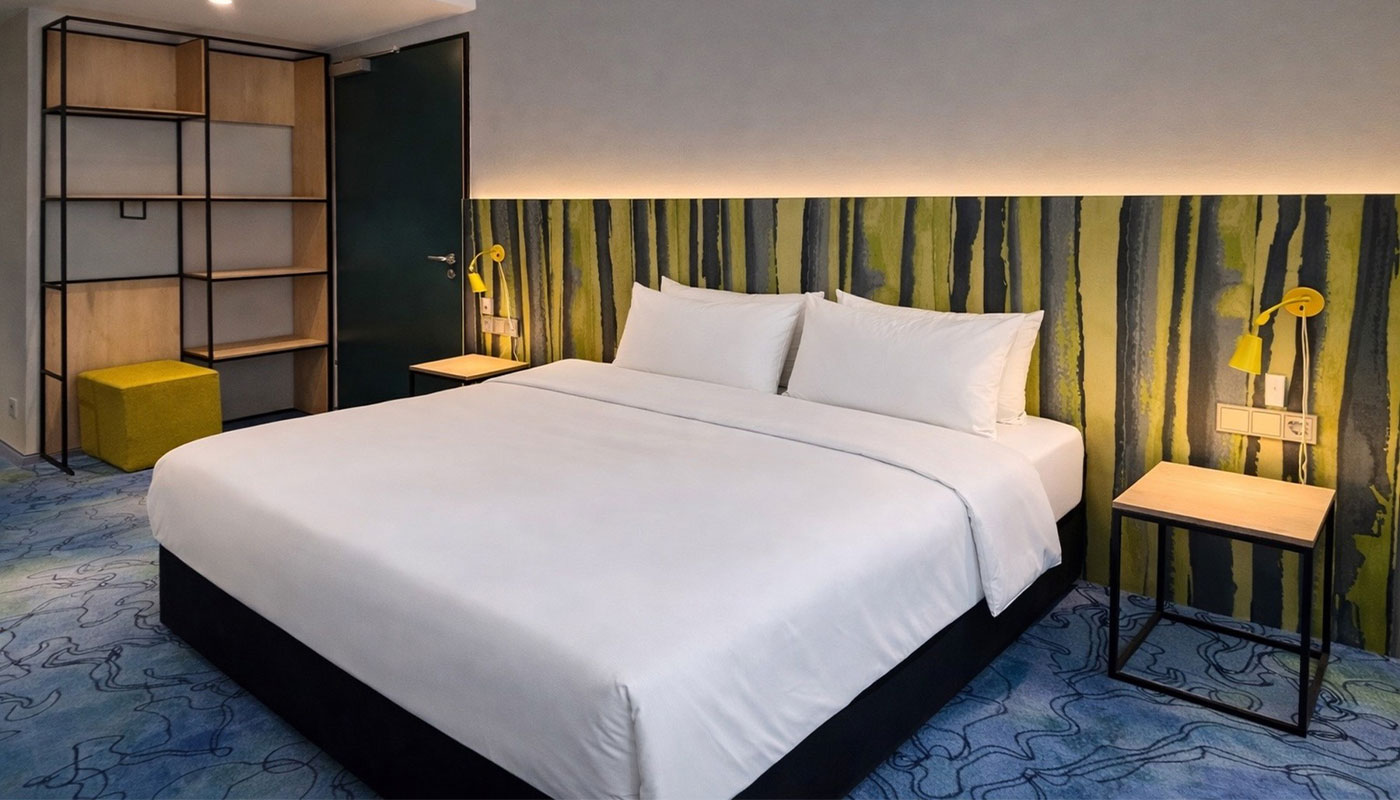
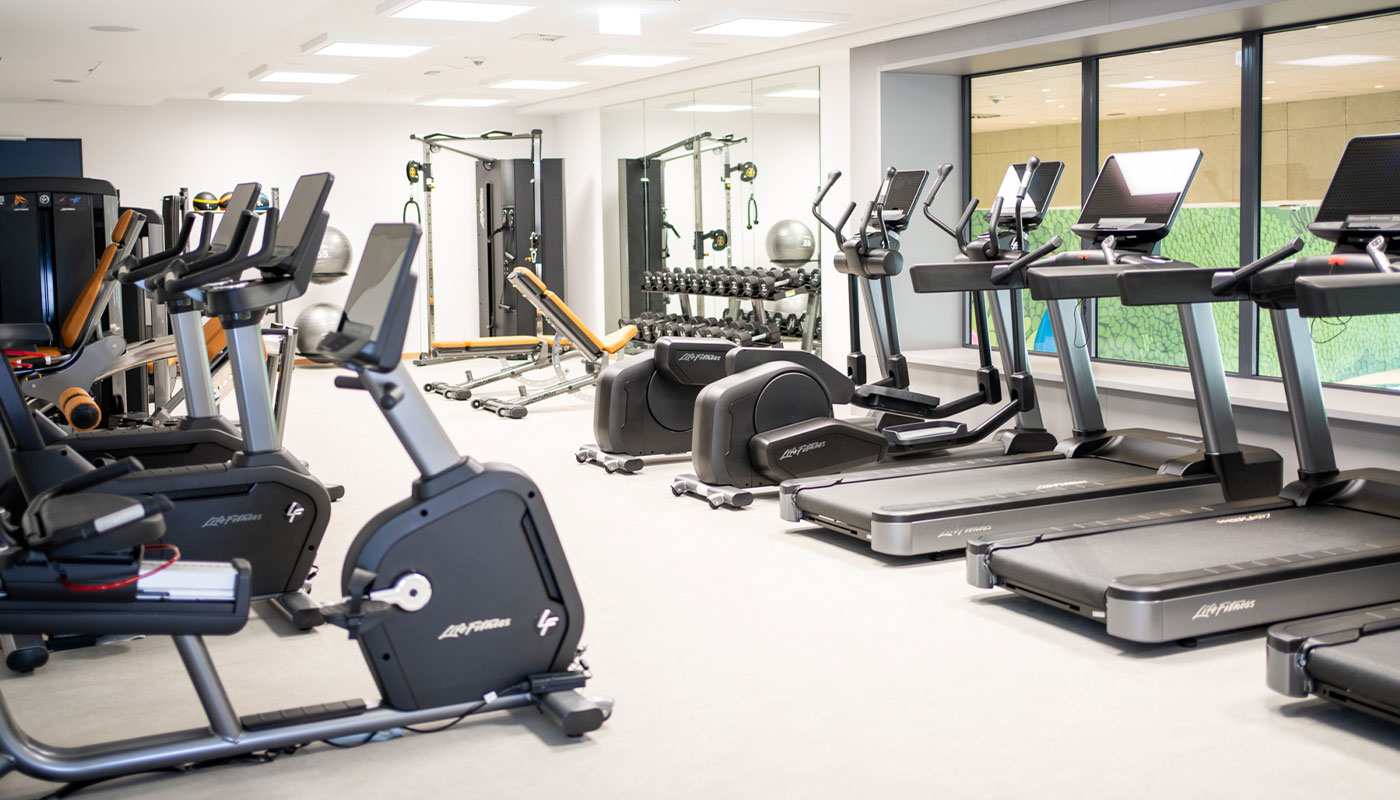
Rudnik: "Every ibis Styles hotel has a unique design. Here at the airport, the Isar River takes center stage. Shades of green, blue, and slate run throughout the entire building. Even details like the carpet patterns echo the shape of Isar pebbles. This creates a calm yet distinctive atmosphere with a regional flair. The heart of our hotel is the open lobby — a gathering place with lounge areas, workspaces, and a children's play corner. There is also a lobby shop that is open 24 hours a day. At our restaurant, "ISAR GARDEN", we serve modern, healthy dishes with a street food vibe. The hotel's offerings are complemented by a bar, an outdoor terrace, a modern fitness area, and a versatile meeting room."

Right next door is the Novotel. How do the two hotels differ, and what target audience do they primarily appeal to?

Rudnik: "The two hotels complement each other perfectly. The Novotel is geared more toward traditional business travelers and guests with higher expectations. The ibis Styles, on the other hand, is more creative, design-oriented, and positioned in the economy segment. Our target audience consists primarily of price-conscious business and leisure travelers."

More news